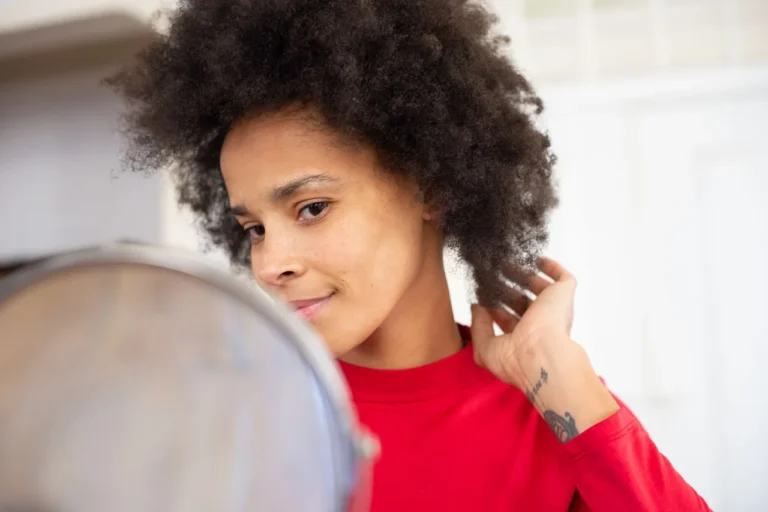
Hair Loss Confidence: It’s Not Vanity to Mind
QUICK ANSWER Hair loss confidence takes a real knock because hair is tied up with identity, not vanity. Feeling better starts with accepting that the

QUICK ANSWER Hair loss confidence takes a real knock because hair is tied up with identity, not vanity. Feeling better starts with accepting that the
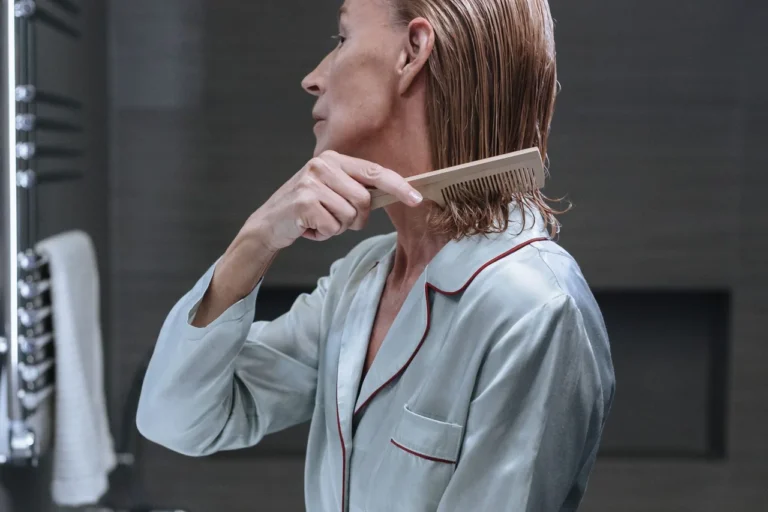
QUICK ANSWER Hair loss after illness is usually telogen effluvium: a high fever, infection, surgery or other physical shock pushes many hairs into their resting
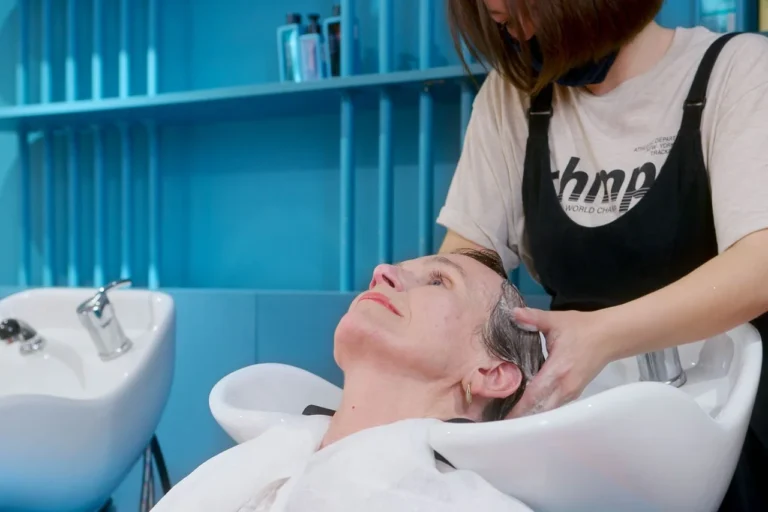
QUICK ANSWER Hard water hair loss UK worry, but hard water doesn’t usually cause hair to fall out from the follicle. Its minerals build up
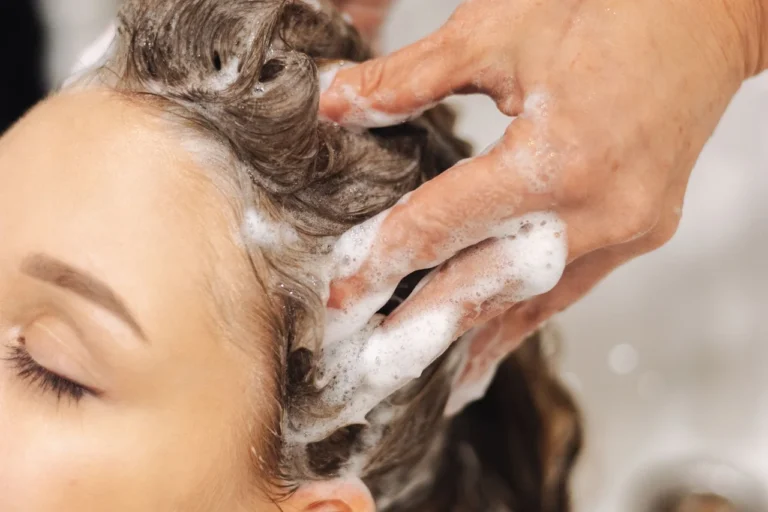
QUICK ANSWER Scalp massage for hair growth works in two ways: it increases blood flow to the scalp, and it releases tension, which helps with
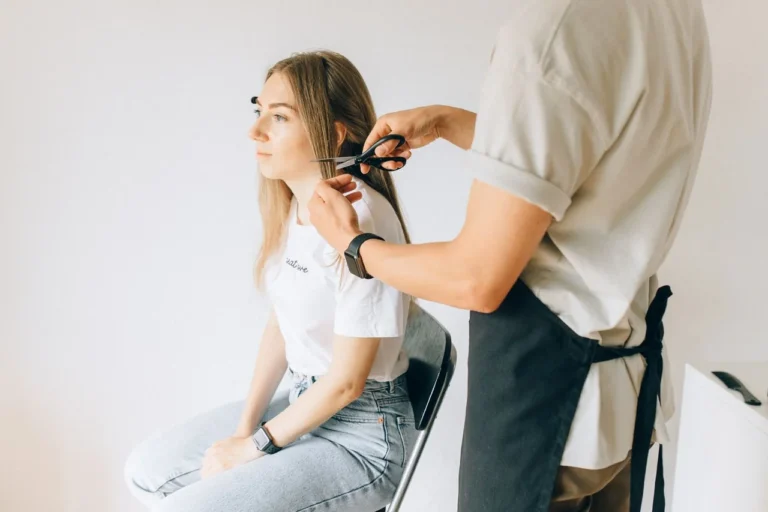
QUICK ANSWER Weight loss hair loss is usually telogen effluvium: rapid weight loss, or eating much less, is a shock to the body that pushes
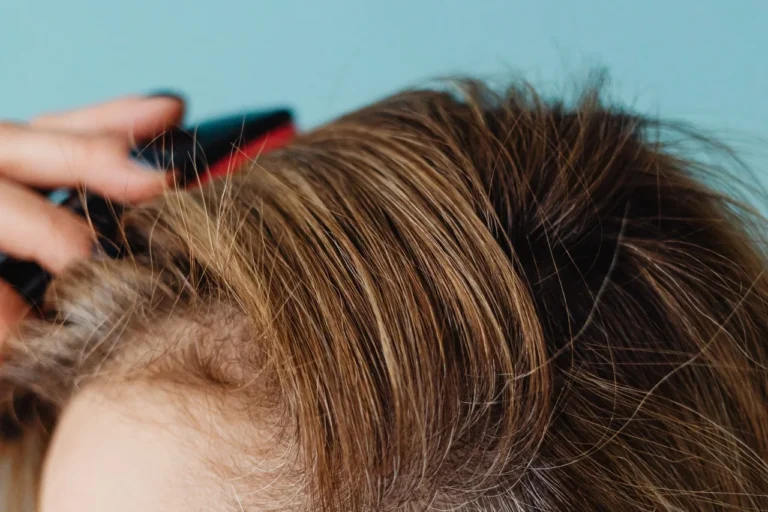
QUICK ANSWER Ferritin and hair loss are linked because ferritin shows how much iron your body has stored, and hair is one of the first

QUICK ANSWER Sleep and hair loss are connected mainly through stress. Ongoing poor sleep keeps the body under strain, and sustained stress can push hairs
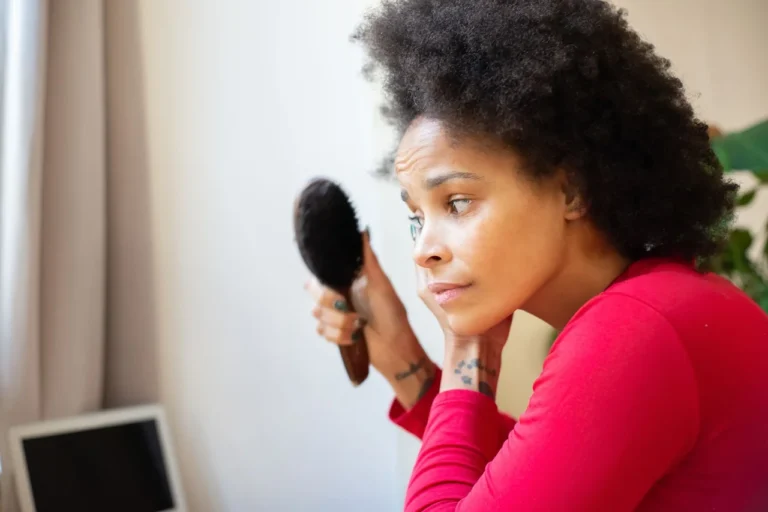
QUICK ANSWER Stress hair loss happens when a period of significant stress pushes many hairs into their resting phase, so they shed together a few

QUICK ANSWER Silk pillowcase benefits come down to friction. Silk is smoother than cotton, so hair slides over it rather than catching, which means fewer
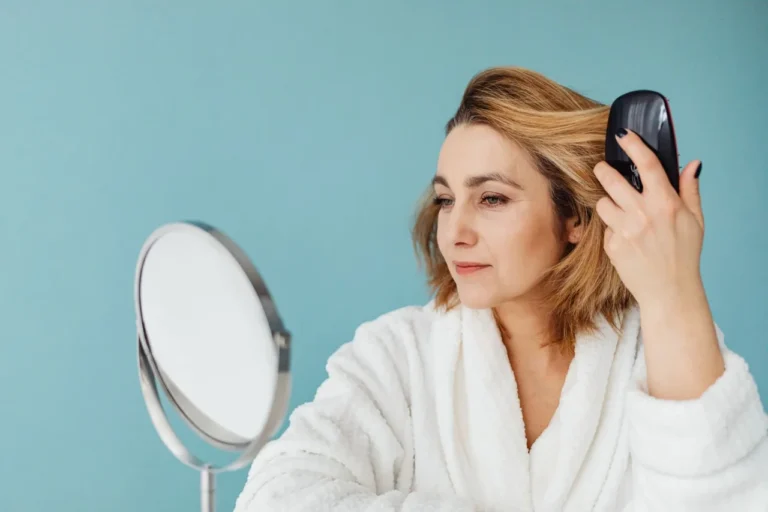
QUICK ANSWER A minimalist hair routine strips things back to what genuinely works: a gentle shampoo, a conditioner for the ends, one light leave-in for
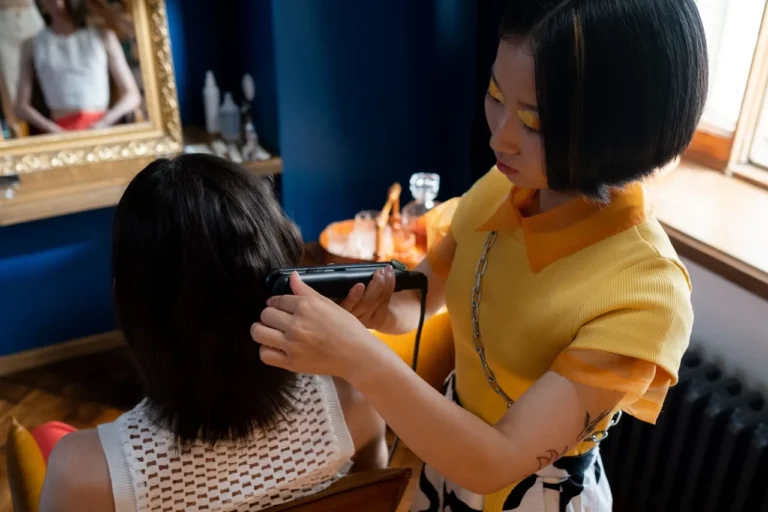
QUICK ANSWER Fine, fragile hair damages more easily under heat, so a heat protectant fine hair is the first rule: use one every time. Then

QUICK ANSWER Scalp buildup is a layer of product residue, natural oil, dead skin and hard-water minerals that collects on the scalp and hair. It