| QUICK ANSWER Fine, fragile hair damages more easily under heat, so a heat protectant fine hair is the first rule: use one every time. Then turn the temperature down — fine hair rarely needs the top setting — never use hot tools on soaking-wet hair, and build in heat-free days. You keep your style and lose most of the breakage. |
I’m not going to tell you to stop using your straighteners. I love a good blow-dry as much as anyone, and telling women to give up styling is both unrealistic and joyless.
But I will tell you that the hair you’re styling now isn’t the hair you were styling at thirty, and it needs handling differently.
Why Midlife Hair Is More Fragile
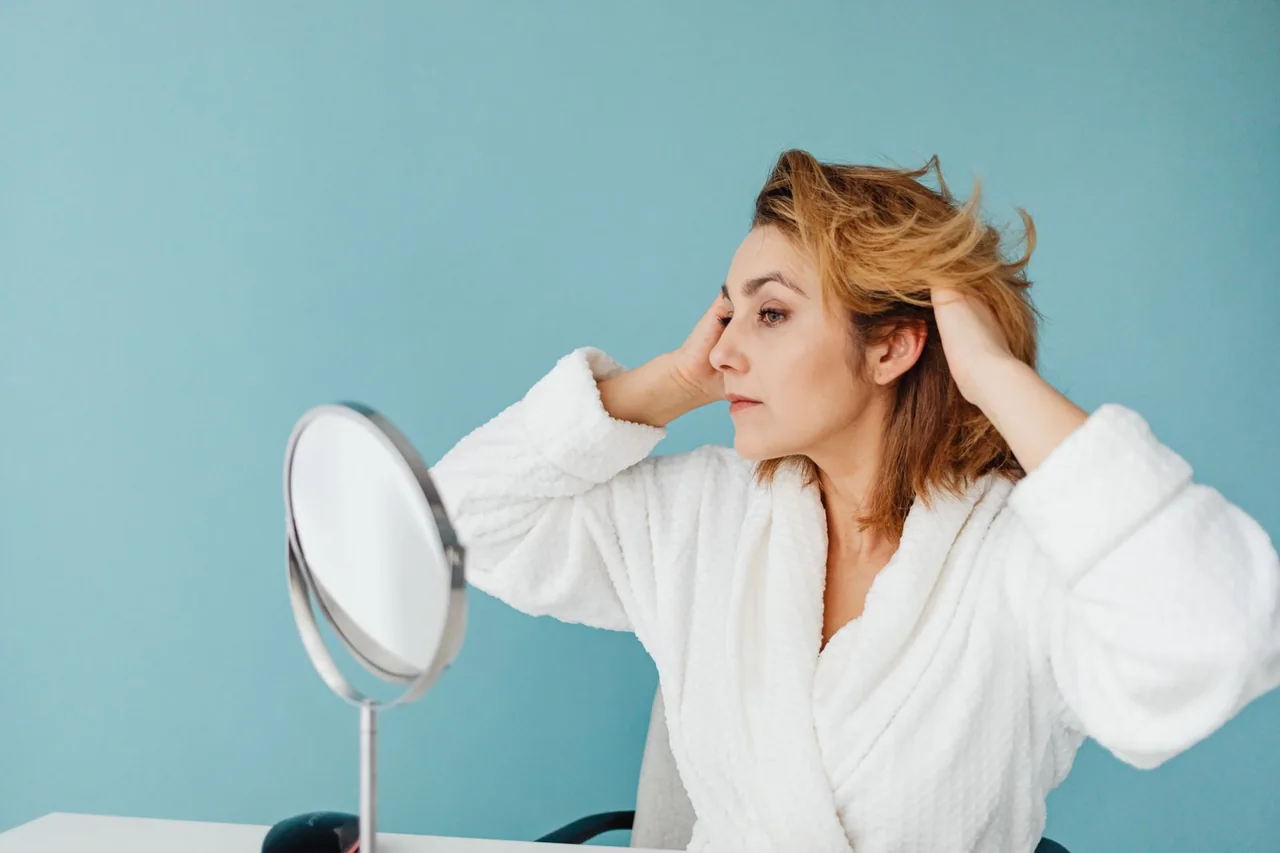
Hair around and after menopause is often finer, strand by strand, so there’s less of it to lose before damage shows. It’s often drier, because less natural oil reaches the lengths. And greys are more porous, so they take heat and lose moisture more easily — I go into that in grey hair texture .
High heat on hair that’s finer, drier and more porous is the quickest route I know to snapped ends and that straw-like feel.
Heat Protectant Fine Hair: The Non-Negotiable
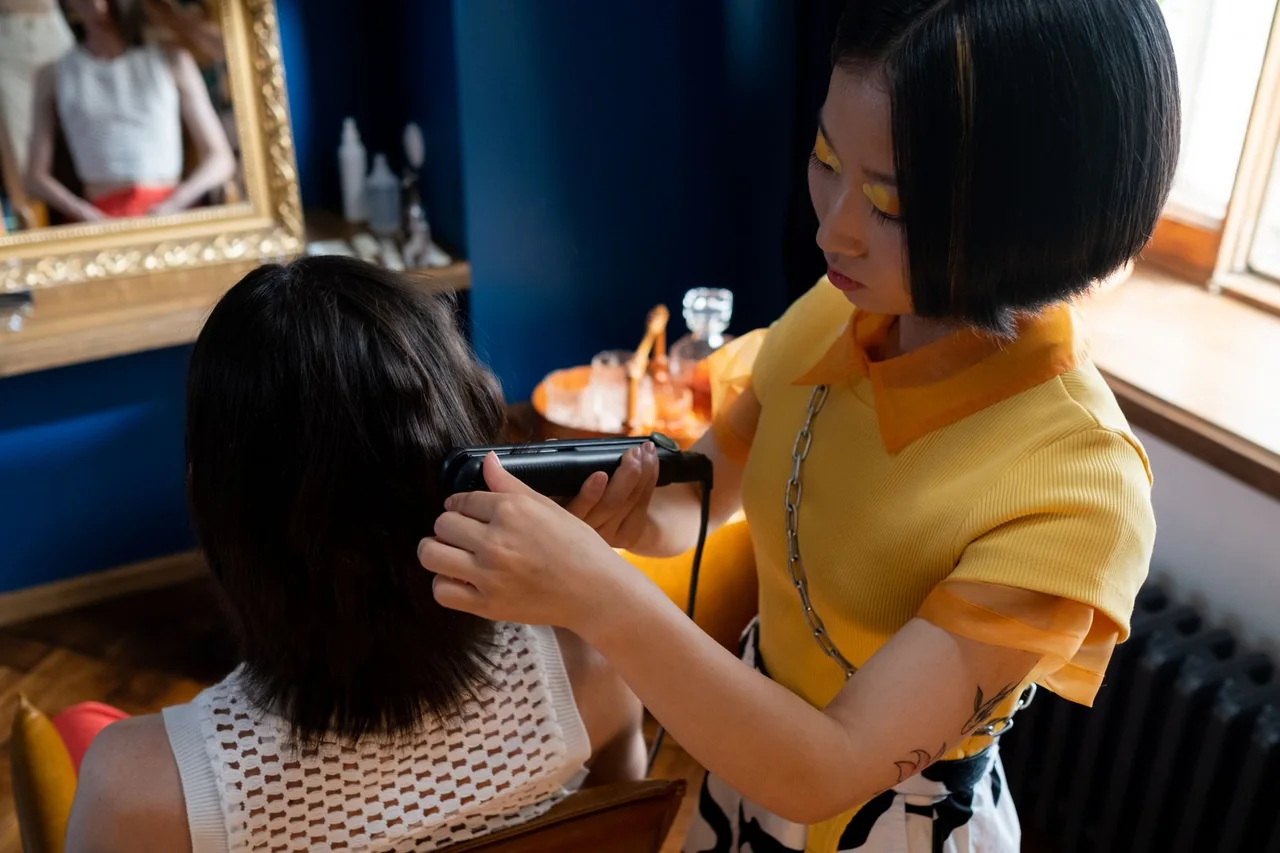
Never put a hot tool on your hair without a heat protectant first. Every time. It forms a buffer between the plate and the strand and helps spread the heat more evenly.
For fine hair, choose a light spray or mist rather than a cream, so you’re protecting the hair without weighing it down. Apply it to damp hair before blow-drying, and again to dry hair before straightening or curling, concentrating on the mid-lengths and ends where the damage collects.
Turn the Dial Down
Most people put every tool on maximum because it’s there. Fine hair doesn’t need it. Pushing the temperature higher doesn’t give a better result; it just does more damage.
As a rough guide from my own chair, fine or fragile hair usually styles well somewhere around 150–180°C. Start lower than you think and go up only if you really need to. You’ll be surprised how often a moderate setting does the job.
Never Style Wet Hair
Wet hair is at its weakest and stretchiest. Clamping a hot straightener onto damp hair can make the water inside the strand boil — that sizzle is the sound of damage. Dry it to at least nearly dry before any hot tool touches it.
When you blow-dry, keep the nozzle moving and don’t hover on one spot. And be gentle with wet hair generally: blot with a microfibre towel instead of rubbing, and detangle from the ends upwards with a wide-tooth comb. Rough handling of wet hair causes a lot of the breakage people blame on heat.
Give It Days Off
You don’t have to go cold turkey. Just build in heat-free days. Air-dry when you can. Plait or twist damp hair loosely and let it dry for soft movement with no heat at all. Fewer hot days across the week means less damage piling up.
Protect it at night too. Less friction on the pillow means fewer tangles and less rough brushing in the morning — I explain why in silk pillowcase benefits .
When Breakage Isn’t Heat
If you’re losing hair from the root rather than snapping at the ends, that’s not a styling problem. See your GP — the NHS page on hair loss explains when to go, and the British Association of Dermatologists has information on the different types.
Strong Hair Starts at the Root
Protecting the strand is half of it. The other half is the scalp it grows from, which is the whole case I make in the skinification of hair .
It’s also why I built heat protection into Nunu Moor — a botanical scalp and hair tonic that cares for the scalp, shields the lengths against heat without silicones, and adds a light styling finish, all in one step. Join the Nunu Moor waitlist to hear when it launches.
Keep your tools. Use a heat protectant, turn the dial down, never style wet, and give your hair a day off now and then. Fine hair can still be beautifully styled — it just asks you to be a little kinder about it.
Frequently Asked Questions
Do I need a heat protectant fine hair?
Yes, every time you use a hot tool. Choose a light spray or mist so it protects without weighing fine hair down.
What temperature should I use on fine hair?
As a rough guide, around 150–180°C. Start low and only go higher if you genuinely need to.
Can I straighten damp hair?
No. Wet hair is at its weakest, and a hot tool can make the water inside the strand boil. Dry it fully first.
Why is my hair more fragile after 40?
Midlife hair is often finer, drier and, with greys, more porous, so it’s more vulnerable to heat than it used to be.
How can I style hair without heat?
Air-dry, or plait or twist damp hair loosely and let it dry for soft waves. Build in heat-free days.