
Silk Pillowcase Benefits: A Third of Your Life on a Pillow
QUICK ANSWER Silk pillowcase benefits come down to friction. Silk is smoother than cotton, so hair slides over it rather than catching, which means fewer
QUICK ANSWER Silk pillowcase benefits come down to friction. Silk is smoother than cotton, so hair slides over it rather than catching, which means fewer
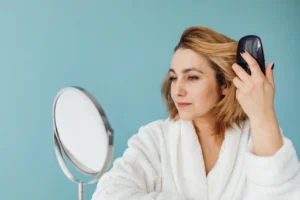
QUICK ANSWER A minimalist hair routine strips things back to what genuinely works: a gentle shampoo, a conditioner for the ends, one light leave-in for
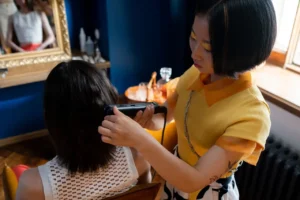
QUICK ANSWER Fine, fragile hair damages more easily under heat, so a heat protectant fine hair is the first rule: use one every time. Then
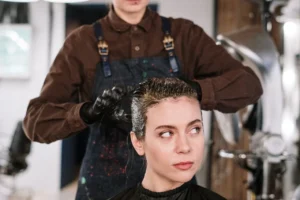
QUICK ANSWER Scalp buildup is a layer of product residue, natural oil, dead skin and hard-water minerals that collects on the scalp and hair. It
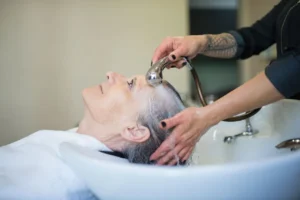
QUICK ANSWER Sulfate-free shampoo uses milder cleansers instead of sulfates such as SLS and SLES. Sulfates aren’t dangerous — they’re simply strong cleansers that can
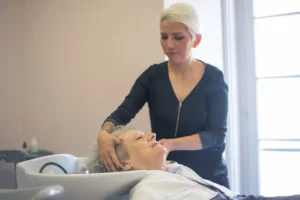
QUICK ANSWER How often to wash hair depends on your scalp type, not a universal rule. Oily scalps often do well every two or three

QUICK ANSWER A greasy scalp after washing usually comes from one of three things: heavy products sitting at the roots, over-washing that makes the scalp

QUICK ANSWER The skinification of hair is the idea that your scalp is skin and deserves the same thought you give your face: the right
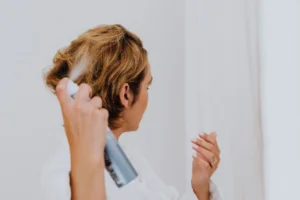
QUICK ANSWER A quick scalp treatment routine can take sixty seconds: part your hair in three or four lines, apply a small amount of a