| QUICK ANSWER In liquorice root scalp care, the plant’s extract is used for its soothing, anti-inflammatory compounds, which help calm redness, itching and irritation. A calm scalp is a better environment for hair to grow from, so soothing is worth doing — but liquorice doesn’t regrow hair, and a scalp that stays sore or scaly needs a proper diagnosis. |
Not every good ingredient is exciting. Some just quietly make things better.
Liquorice root is one of those. It doesn’t come with headlines about regrowth or blocking hormones. What it does is calm skin down — and after thirty years of looking at scalps, I’ve come to think calm is badly underrated.
Why a Calm Scalp Matters
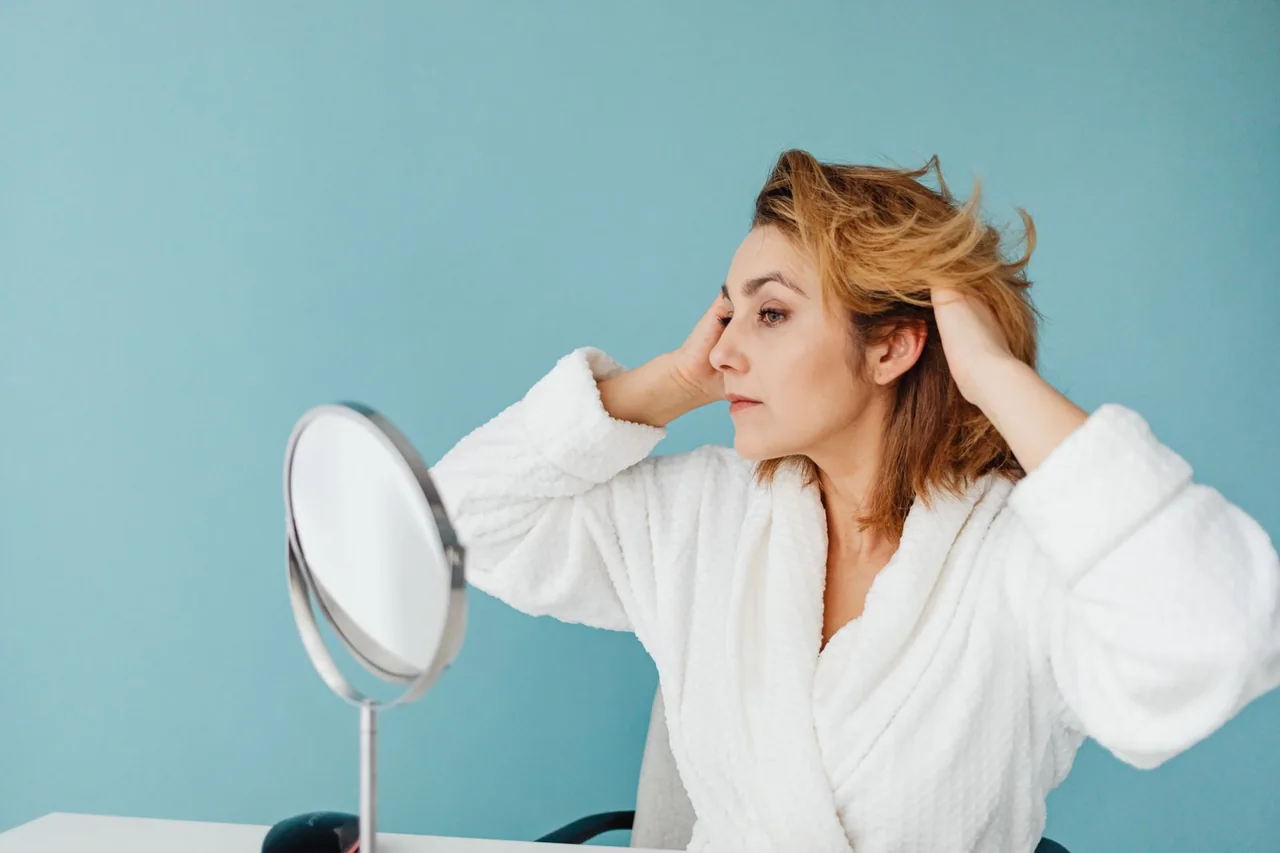
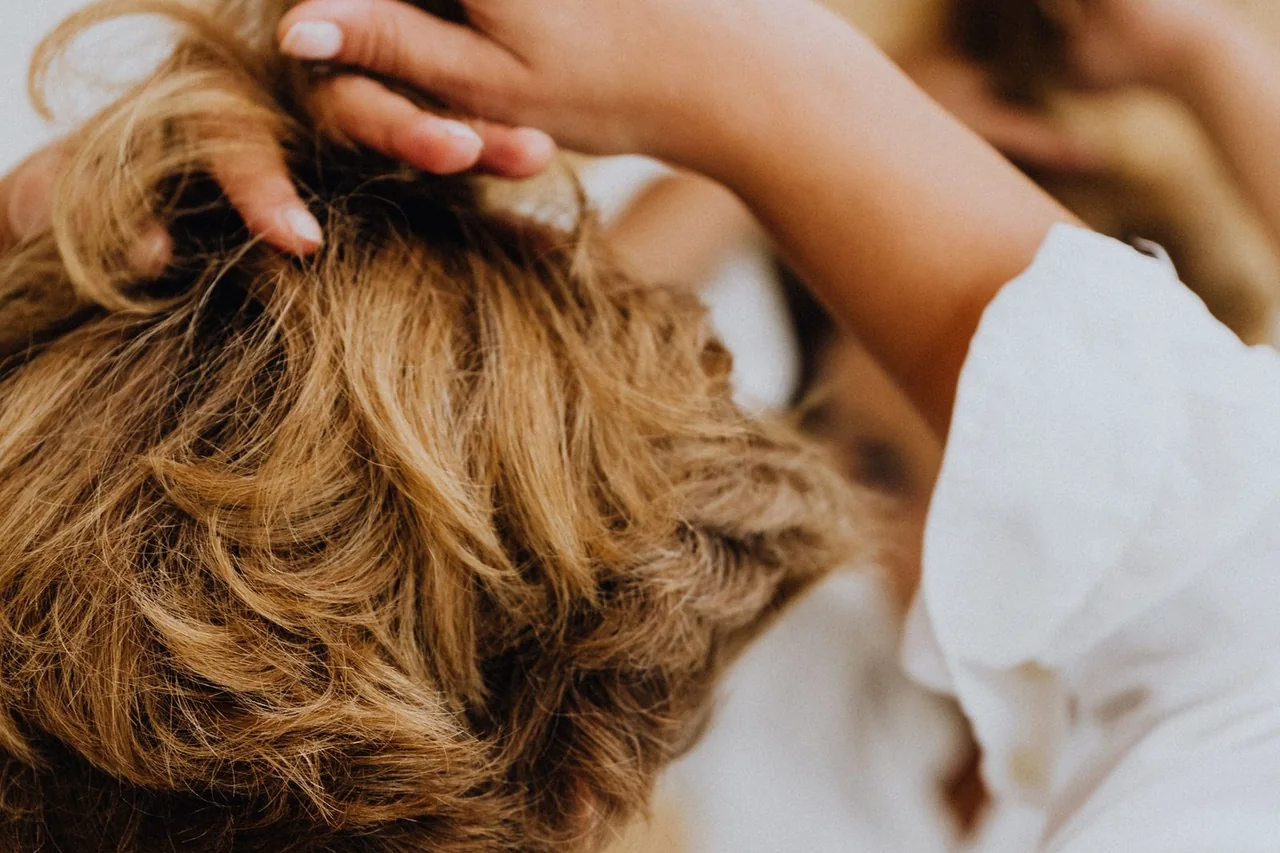
Hair grows out of skin. If that skin is red, itchy, flaky or sore, the follicles are working in a hostile environment.
We spend so much on the hair we can see — masks, serums, treatments for the lengths — and so little on the skin it grows from. You can pour nutrients onto irritated ground all you like. The plant still struggles.
Itch and irritation often mean the scalp’s natural balance has tipped. I go into that in the scalp microbiome .
What Liquorice Root Does for the Scalp
Liquorice root has a long history in skincare for one main reason: it soothes. Its extract contains compounds — glycyrrhizin among them — with recognised calming and antioxidant properties. That’s why you’ll find it in products for sensitive, reactive skin and for redness.
In liquorice root scalp care, that calming effect helps take the edge off itching and redness, so the scalp can settle. It isn’t dramatic or overnight. It’s the steady background work that lets everything else function.
What It Doesn’t Do
Soothing removes an obstacle. It doesn’t grow new hair or switch off hormonal thinning — those are different jobs, and I’ve been honest about which plants even try in natural DHT blockers .
And irritation has causes. Persistent flaking, intense itching, soreness, or red scaly patches can be seborrhoeic dermatitis, psoriasis or an allergy. The NHS page on seborrhoeic dermatitis is a good starting point. If it doesn’t settle, see your GP — calming the surface while ignoring a treatable condition helps no one.
One Caution Worth Knowing
Liquorice is perfectly sensible on the skin. Eaten in large amounts, though, it’s a different story — real liquorice can raise blood pressure and lower potassium in some people. The NCCIH page on licorice root explains why. That’s about eating it — for liquorice root scalp care it isn’t a concern — but it’s worth knowing if anyone tells you to take liquorice supplements for your hair.
As with any botanical, patch test first if your scalp reacts easily.
Liquorice Root Scalp Care in Practice
Stop aggravating it. Soothing ingredients can’t win against daily scrubbing and harsh shampoo. Gentle handling is half the calm.
Pair soothing with nourishing. Liquorice calms; mineral-rich botanicals feed. They suit each other — see seaweed for hair .
Add gentle hydration. A dry, tight scalp is more easily irritated. Aloe vera for the scalp is a lovely partner.
Give it consistency. Calm builds with steady care, not one big treatment.
Why It’s in Nunu Moor
Liquorice root is one of the four headline botanicals in Nunu Moor — there to soothe the scalp and help bring it back to its natural balance. It’s the ingredient I’d least want to leave out, precisely because it does the unglamorous work. Join the Nunu Moor waitlist to hear when it’s ready.
A lot of hair care is about adding things. Sometimes progress is about taking irritation away. Liquorice root scalp care is a small, honest step in that direction.
Frequently Asked Questions
What does liquorice root scalp care actually do?
Yes, as a soothing ingredient. Its extract contains calming, antioxidant compounds that help settle itching and redness.
Does scalp inflammation affect hair?
An irritated, inflamed scalp is a poorer environment for follicles, so calming it supports healthier hair.
Can liquorice regrow hair?
No. It soothes the scalp and removes an obstacle to healthy growth, but it doesn’t regrow hair or affect hormonal thinning.
Is liquorice safe?
On the skin it’s generally well tolerated; patch test if you’re sensitive. Eating large amounts of liquorice can raise blood pressure and lower potassium.
When should I see a doctor about an itchy scalp?
If itching, flaking or redness persists, spreads or comes with sore, scaly patches, see your GP.