| QUICK ANSWER Seaweed for hair is used on the scalp because it carries a broad mix of minerals and trace elements, plus natural sugars that help skin hold water. Applied topically, it nourishes and softens the scalp rather than treating hair loss. It won’t correct a dietary deficiency, and kelp supplements can contain too much iodine. |
Every June the salon marks World Oceans Day. It started because we care about where things end up — the hair we recycle, the water we use — but it’s also made me think about what the sea gives back.
Seaweed is one of those things. It’s been on my mind since long before I put it in a bottle.
Why Seaweed for Hair Makes Sense
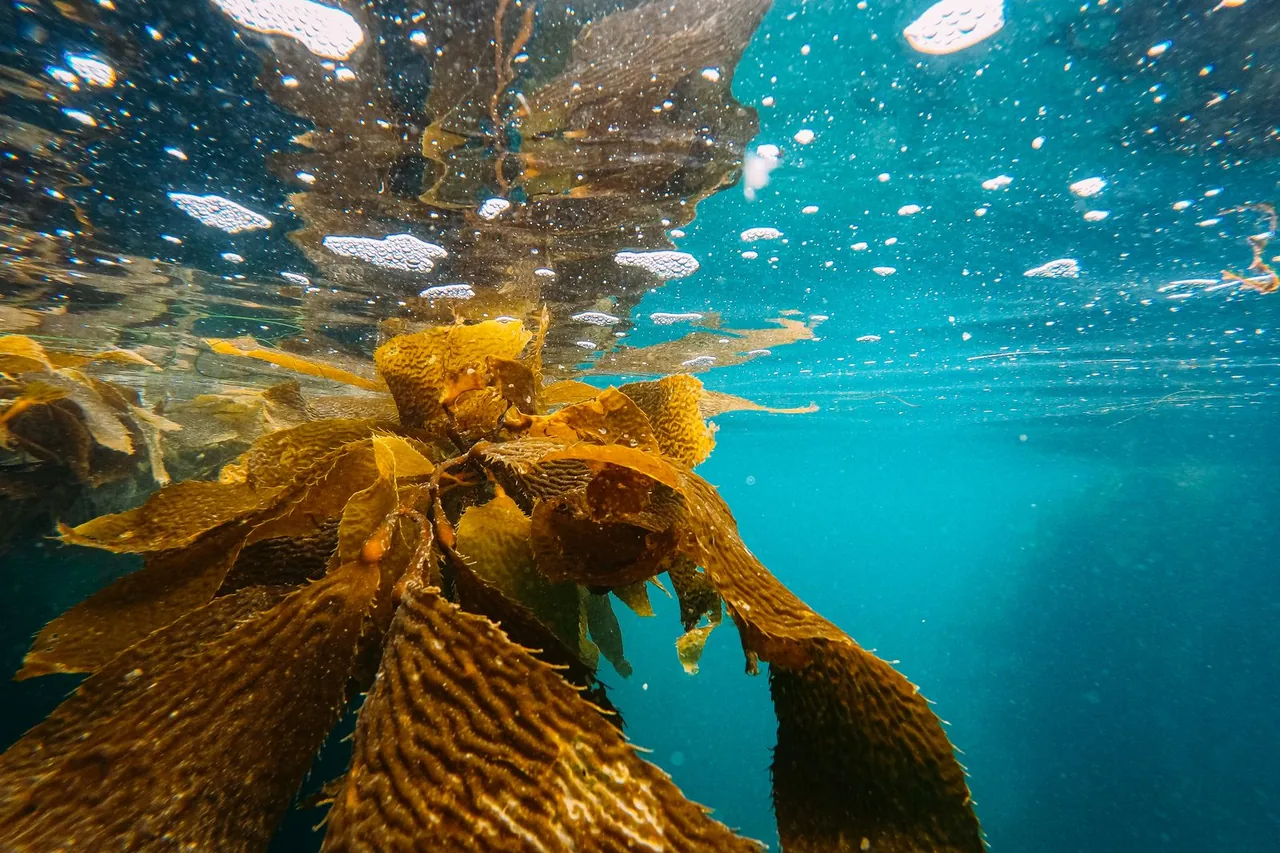
Seaweed grows in mineral-rich water and soaks those minerals up. Depending on the variety, it carries a wide spread of trace elements — iodine, zinc, magnesium, iron among them — along with amino acids and antioxidants.
It also contains natural sugars, the kind used to thicken and hold water in everything from food to skincare. On the scalp, that means seaweed helps the skin hold on to moisture without leaving an oily film. For a scalp that’s gone tight and dry in menopause, that’s welcome.
So seaweed for hair isn’t about a single miracle compound. It’s a nourishing all-rounder for the skin your hair grows from.
What It Can and Can’t Do
Here’s where a lot of marketing gets ahead of itself.
Putting seaweed on your scalp is not the same as fixing a mineral shortage in your body. If your iron stores are low, that’s a whole-body problem, and it needs food and, if your GP agrees, supplements — not a scalp product. I’d hate anyone to rub something into their scalp while a treatable deficiency goes unnoticed.
And it won’t block hormones or regrow hair on its own. For the honest picture on which plants try to work on hormonal thinning, see natural DHT blockers .
What it can do is nourish, soften and soothe — which is exactly what a healthy scalp needs every day.
Seaweed on the Scalp, Not in a Tablet
People sometimes ask whether they should take kelp instead. I’d be careful. Kelp and seaweed supplements can contain a lot of iodine, and the NHS guidance on iodine warns that taking high doses for long periods can change the way your thyroid works.
That matters for women in midlife, when thyroid problems are already more common and already easy to mistake for menopause. On the scalp, in a formulated product, that isn’t a concern.
Getting the Most From Seaweed for Hair
Leave it on. Minerals and moisture do more when they stay in contact with the scalp. A leave-in tonic makes better use of seaweed than a shampoo that’s rinsed away in a minute.
Pair it with something calming. Seaweed nourishes; soothing botanicals settle irritation. They work well together — I’ve written about one of the best in liquorice root for the scalp .
Keep the base light. The benefit is lost in a heavy, greasy formula. A light, fast-absorbing leave-in fits into a real morning — the kind of thing I describe in the one-minute scalp ritual .
Eat well too. Minerals on the outside, good food on the inside. The British Association of Dermatologists has patient information if you’re worried about hair loss and want to know what to ask your GP.
Why It’s in Nunu Moor
Seaweed is one of the four headline botanicals in Nunu Moor, there to nourish the scalp with naturally derived trace minerals and amino acids and help hair appear fuller. That’s all I’ll claim for it — it’s enough. Join the Nunu Moor waitlist to hear when it launches.
You don’t grow strong plants by painting the leaves. You look after the soil. Seaweed for hair is one of the better ways I know to look after yours.
Frequently Asked Questions
Is seaweed good for hair?
As a scalp ingredient, yes. It brings minerals, trace elements and natural moisture-holding sugars that nourish and soften the scalp.
Can seaweed regrow hair?
No. It supports a healthy scalp but doesn’t block hormones or regrow hair on its own.
Should I take kelp supplements for my hair?
Be cautious. Kelp can be very high in iodine, and long-term high doses can affect the thyroid. Speak to your GP first.
Can seaweed fix a mineral deficiency?
Not when applied to the scalp. Low iron or other deficiencies need diet and, if appropriate, supplements guided by your GP.
How should I use seaweed for hair?
In a light leave-in scalp product, so the minerals stay in contact with the skin, ideally alongside a calming ingredient.