| QUICK ANSWER Hair loss confidence takes a real knock because hair is tied up with identity, not vanity. Feeling better starts with accepting that the upset is legitimate, cutting down the constant checking that feeds anxiety, using practical styling that helps today, talking about it, and getting support if it’s affecting your mood or daily life. |
I wrote in my book that your hair should be a reflection of you. Not a copy of someone else’s. Yours — your texture, your colour, your way of carrying yourself.
Which is exactly why losing it hurts. When your hair changes, it can feel as though part of how you recognise yourself is changing too. And then, on top of that, many women feel guilty for minding.
So let me say it first: minding is not vanity.
Why Hair Loss Knocks Confidence So Hard
Hair is bound up with identity, femininity, health and how the world sees us. Losing it is a real loss, and feeling upset about it is a reasonable response, not a character flaw.
Telling yourself it’s “just hair” doesn’t make the feeling smaller. It just leaves you carrying it alone.
The Habit That Makes It Worse
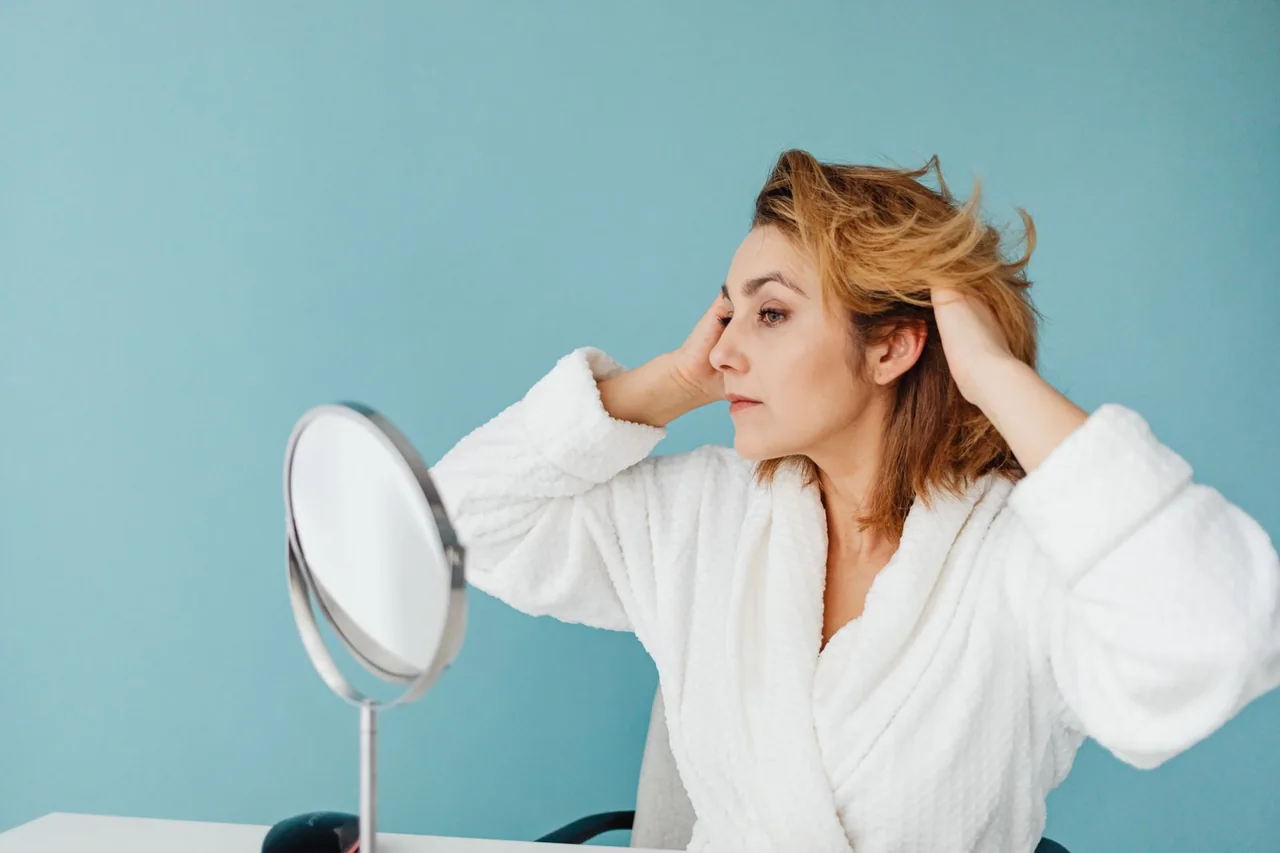
Counting hairs in the plughole. Photographing your parting every morning. Checking the back of your head in two mirrors. Running your fingers through to see what comes out.
I understand every one of those. They feel like keeping an eye on things. In reality they keep your nervous system on alert, and that worry becomes its own stress — the loop I describe in stress hair loss .
If you need to track things, one photo, once a month, in the same light. That’s honest. Daily checking isn’t — and nothing chips away at hair loss confidence faster.
Rebuilding Hair Loss Confidence, Practically
Get answers. A lot of the fear is the unknown — will it stop, is it permanent? A GP visit and blood tests replace guessing with facts. Most shedding is temporary, and knowing that does more for hair loss confidence than any product. If it’s heavy shedding, start with telogen effluvium .
Let your hair look good now. There’s no virtue in waiting. A cut that takes weight off, softer dimensional colour, a moved parting, a root powder for occasions — these make a visible difference in an afternoon. I’ve put them all in thin hair volume .
Talk about it. Hair loss is isolating mainly because it’s hidden. Telling a friend or partner, or finding others going through it, takes some of the weight off. Alopecia UK offers support for people with all kinds of hair loss.
Look after the rest of you. Sleep, food, movement, a bit of quiet. They help your mood and your hair — I’ve written about sleep and hair loss separately.
Swap inspection for care. A minute of scalp massage or a light leave-in is a small act of looking after yourself, rather than another anxious check.
When to Get More Support
If hair loss is affecting your mood, your sleep, your relationships, or whether you want to leave the house, please tell your GP. Low mood and anxiety are treatable, and saying so is not an overreaction. The NHS mental health pages explain what’s available. Mention both your hair and how you’re feeling in the same appointment — they’re connected.
What I’d Like You to Hold On To
Most hair loss is more manageable than it feels at eight in the morning with a brush full of evidence. Much of it is temporary. Much of what isn’t can be slowed and supported. And feeling like yourself doesn’t have to wait until your hair recovers.
Small, kind, steady care — for your scalp and for yourself — is the thinking behind Nunu Moor, the botanical scalp and hair tonic I’ve been making for women whose hair has started behaving differently. Join the Nunu Moor waitlist if you’d like to hear when it’s ready.
Your hair loss confidence can come back before your hair does. You are not your hair. But minding about it doesn’t make you shallow. It makes you human.
If you’re struggling emotionally, please speak to your GP. Support is available, and asking for it is a sensible step.
Frequently Asked Questions
Why does hair loss affect confidence so much?
Hair is tied up with identity, femininity and how we’re seen, so losing it is a real loss. Feeling upset is a normal response, not vanity.
How do I stop obsessing over my hair loss?
Cut down on checking — counting hairs, daily photos — and replace it with one monthly photo. Get medical answers so facts replace guesswork.
Is it normal to feel depressed about hair loss?
Feeling low or anxious is common and understandable. If it’s affecting your mood, sleep or daily life, speak to your GP.
What helps hair loss confidence while hair regrows?
A flattering cut and colour, talking to others, looking after sleep and wellbeing, and gentle daily care rather than anxious checking.
Where can I find support for hair loss?
Alopecia UK supports people with all kinds of hair loss, and your GP can help with both the physical and emotional sides.