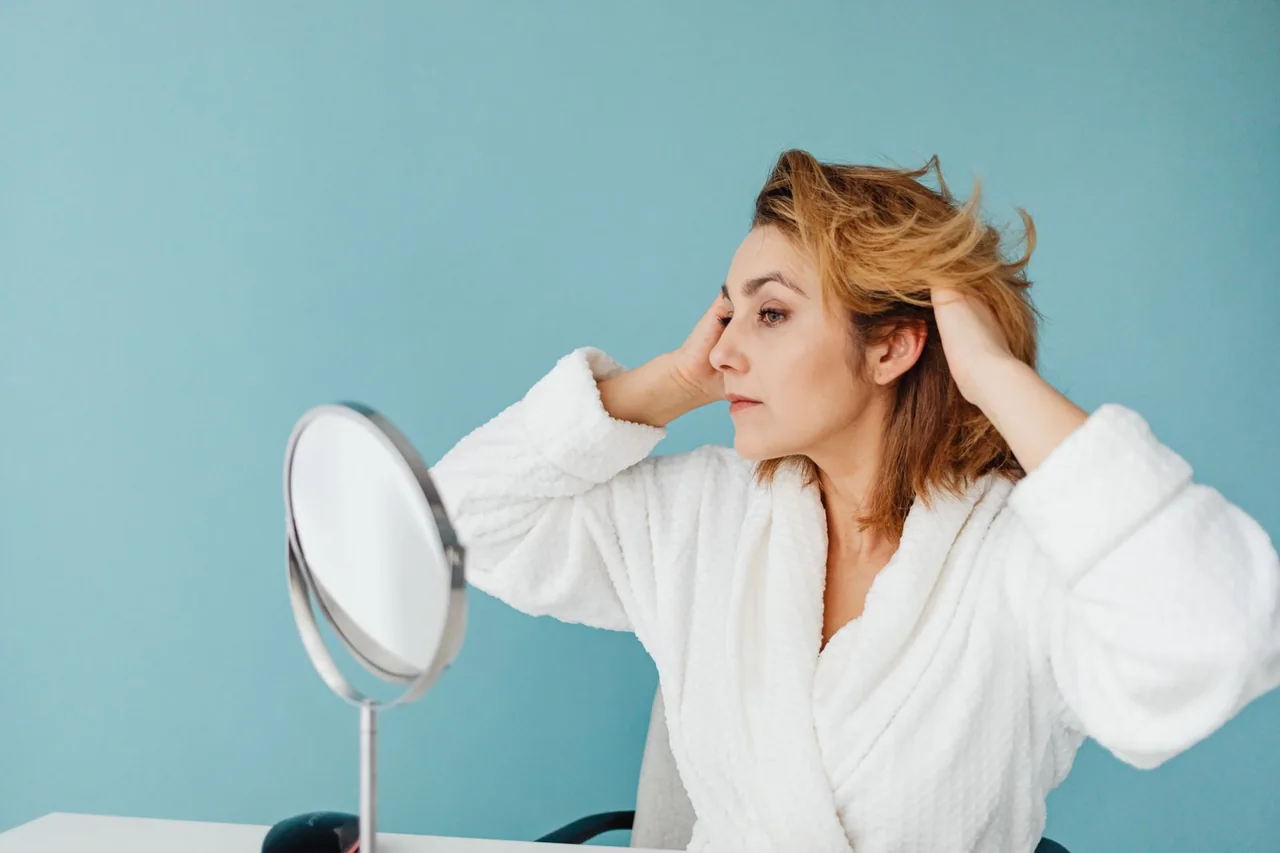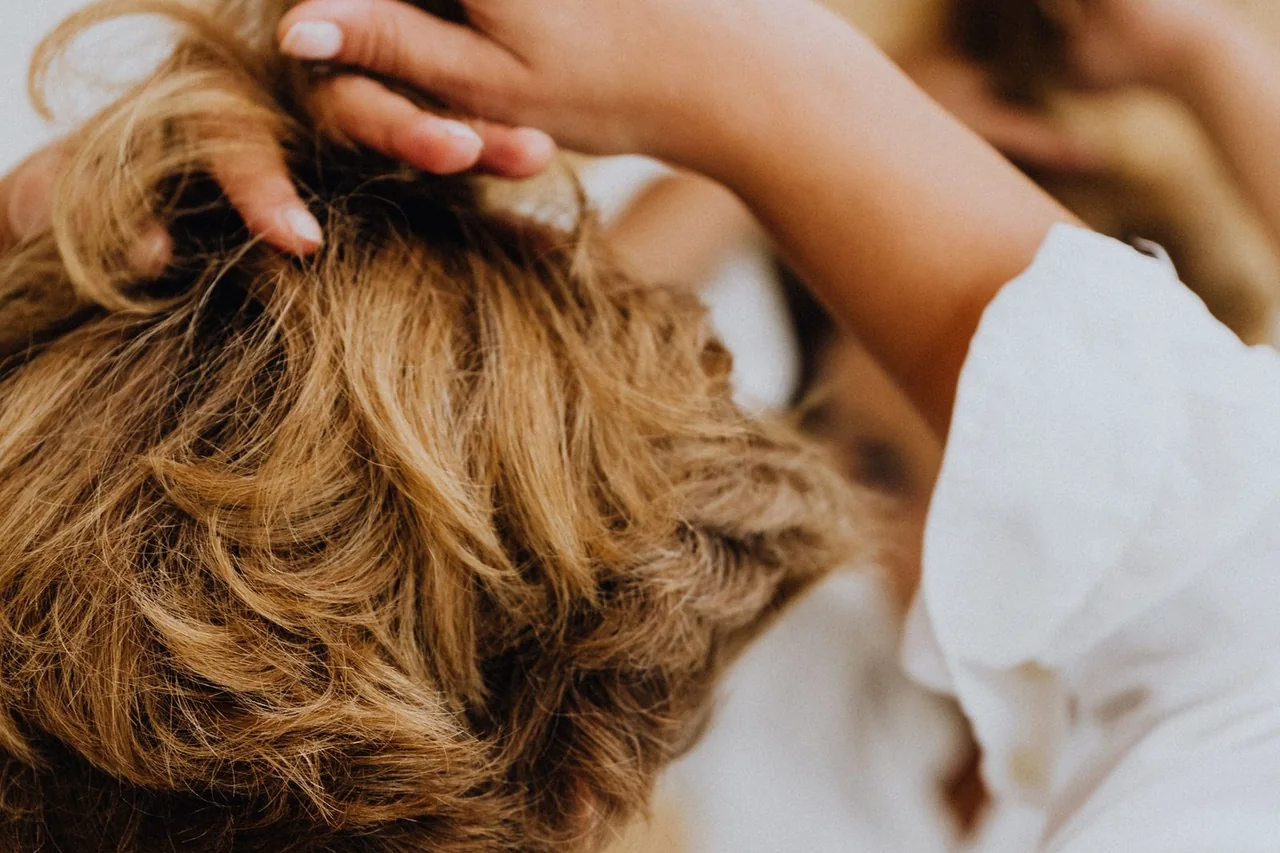
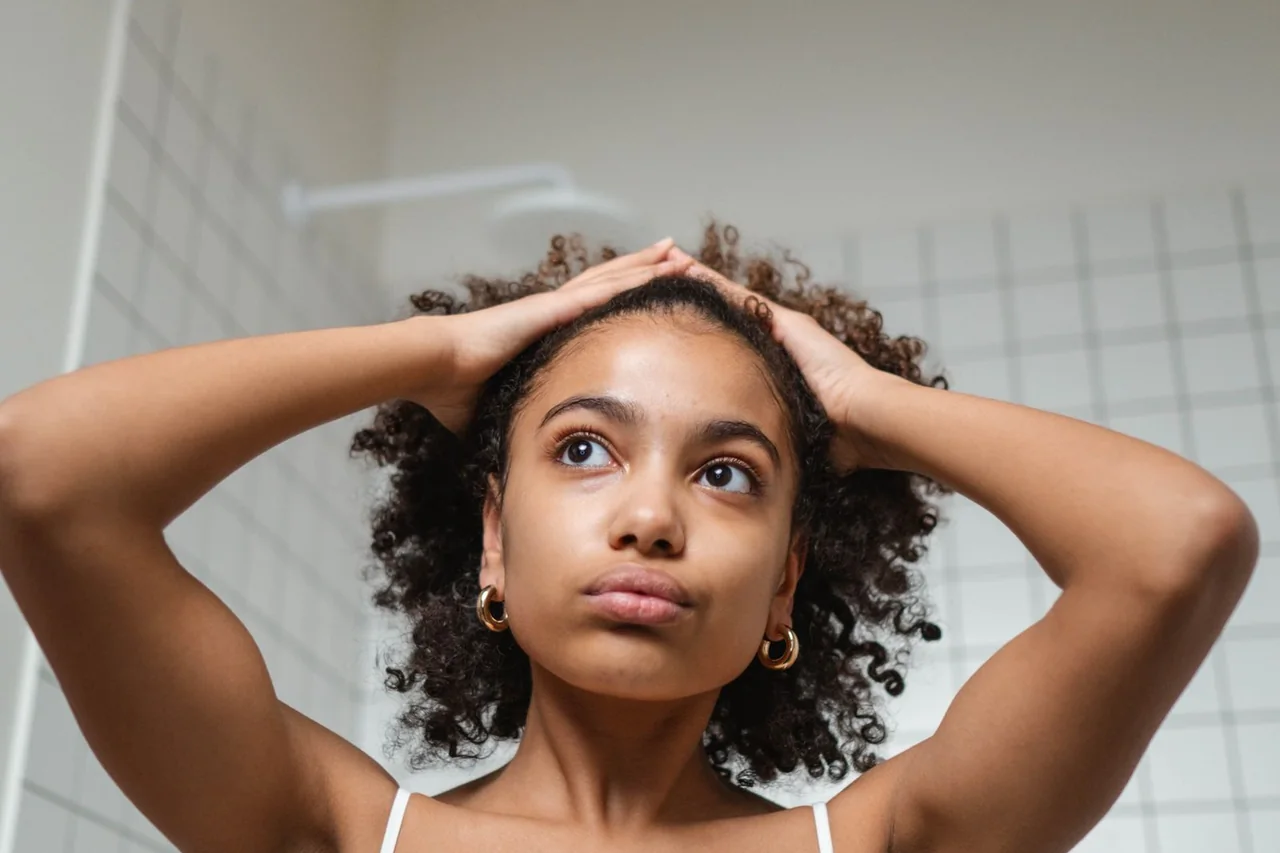
| QUICK ANSWER The skinification of hair is the idea that your scalp is skin and deserves the same thought you give your face: the right cleanser for your type, a light treatment, soothing when it’s irritated, and protection. Because hair grows from the scalp, looking after that skin supports healthier hair at the root rather than only polishing the lengths. |
I often ask clients when they last thought about their scalp as skin. Most of them laugh. They think about their hair constantly. The skin it grows from barely gets a look-in.
It’s something I wrote about in my book, Hair Ritual. We give our skin the highest priority in our routines — cleanser, serum, moisturiser, sun protection — and then expect hair, which goes through colour, heat and chemicals our face never sees, to look after itself. I’ve never understood why.
What the Skinification of Hair Means
Strip away the buzzword and the skinification of hair is simple: apply the thinking you use for your face to your scalp.
You wouldn’t wash your face with washing-up liquid and hope for the best. You choose things for your skin type. You treat it gently. You soothe it when it’s irritated. Your scalp deserves exactly that, because it’s the same living tissue — with pores, oil glands, and its own community of microbes, which I write about in the scalp microbiome .
Why the Scalp Comes First
Hair is the visible end of a process that happens under the skin. The follicle is where the work is done. The lengths you see are, technically, already finished.
So all the masks and serums for the lengths can make hair look and feel better — I’m all for it — but they don’t change what’s coming out of the follicle. Looking after the scalp does more for tomorrow’s hair.
It’s the same principle as gardening. You don’t grow a stronger plant by polishing its leaves. You look after the soil.
Know Your Scalp Type
Oily. Greasy quickly, flat by the end of the day, an urge to wash daily. It needs balancing, not stripping — see greasy scalp after washing .
Dry. Tight after washing, sometimes itchy, small dry flakes. It needs gentler cleansing and light hydration.
Sensitive. Reacts with redness, itching or stinging to products. It needs calm, fragrance-light formulas and patch testing.
Balanced. Comfortable and unremarkable. Keep it that way.
Hormones can move you between types. Plenty of women find their scalp gets oilier, drier, or both at once in menopause.
A Skinification of Hair Routine That Actually Fits a Morning
It doesn’t need ten steps. Four is plenty.
Cleanse for your type. Gentle, focused on the scalp, at a rhythm that suits it — I explain how to find that in how often to wash hair .
Treat. A light leave-in along the partings a few times a week. That’s the scalp’s serum. The whole thing takes about a minute — the one-minute scalp ritual shows how.
Soothe. If the scalp is irritated, calm it rather than scrubbing it.
Clear the build-up now and then. Not daily — just enough to stop residue from collecting. More in scalp buildup .
And keep it light throughout. The commonest mistake when people discover scalp care is piling on heavy products. The scalp, like your face, does best with the right amount of the right things — which is the thinking behind a minimalist hair routine .
Where It Stops
A good routine supports a healthy scalp. It doesn’t cure hormonal hair loss or treat skin conditions. Persistent flaking, soreness, redness or itching deserves a proper look — the NHS page on dandruff explains the simple cases, and the British Association of Dermatologists has leaflets on the rest.
Why This Is How I Think
Scalp first is the whole idea behind Nunu Moor — a botanical scalp and hair tonic that looks after the skin your hair grows from, with heat protection and a light styling finish so it fits a real morning. Join the Nunu Moor waitlist to hear when it’s out.
The skinification of hair isn’t a trend to me. It’s just common sense that took the industry a long time to catch up with. You already know how to look after skin. You’ve had some under your hair all along.
Frequently Asked Questions
What does the skinification of hair mean?
Treating your scalp like the skin on your face — choosing products for your scalp type, cleansing gently, treating, soothing and protecting it.
Is the scalp really skin?
Yes. It has pores, oil glands and its own microbiome, and it can be oily, dry, sensitive or balanced.
Why does scalp care matter for hair?
Hair grows from follicles in the scalp. Looking after that skin supports the hair that’s still to come, not just the lengths you can see.
What’s a simple scalp care routine?
Cleanse gently for your type, use a light leave-in along the partings a few times a week, soothe irritation, and clear build-up occasionally.
Can my scalp type change?
Yes. Hormones, especially around menopause, can make a scalp oilier, drier or more sensitive.