| QUICK ANSWER Aloe vera for scalp care works mainly as a gentle hydrator. Its gel helps skin hold water and has a soothing feel that eases dryness and itching, without the weight of an oil. That makes it well suited to dry or sensitive scalps and to fine hair. It supports scalp comfort; it doesn’t regrow hair. |
Most of us first met aloe vera after too long in the sun. A cool, clear gel that took the sting out.
It’s such a familiar plant — plenty of people keep one on a windowsill — that it’s easy to assume it can’t be doing much. For a dry, uncomfortable scalp, it does more than you’d think.
What Aloe Does on the Scalp
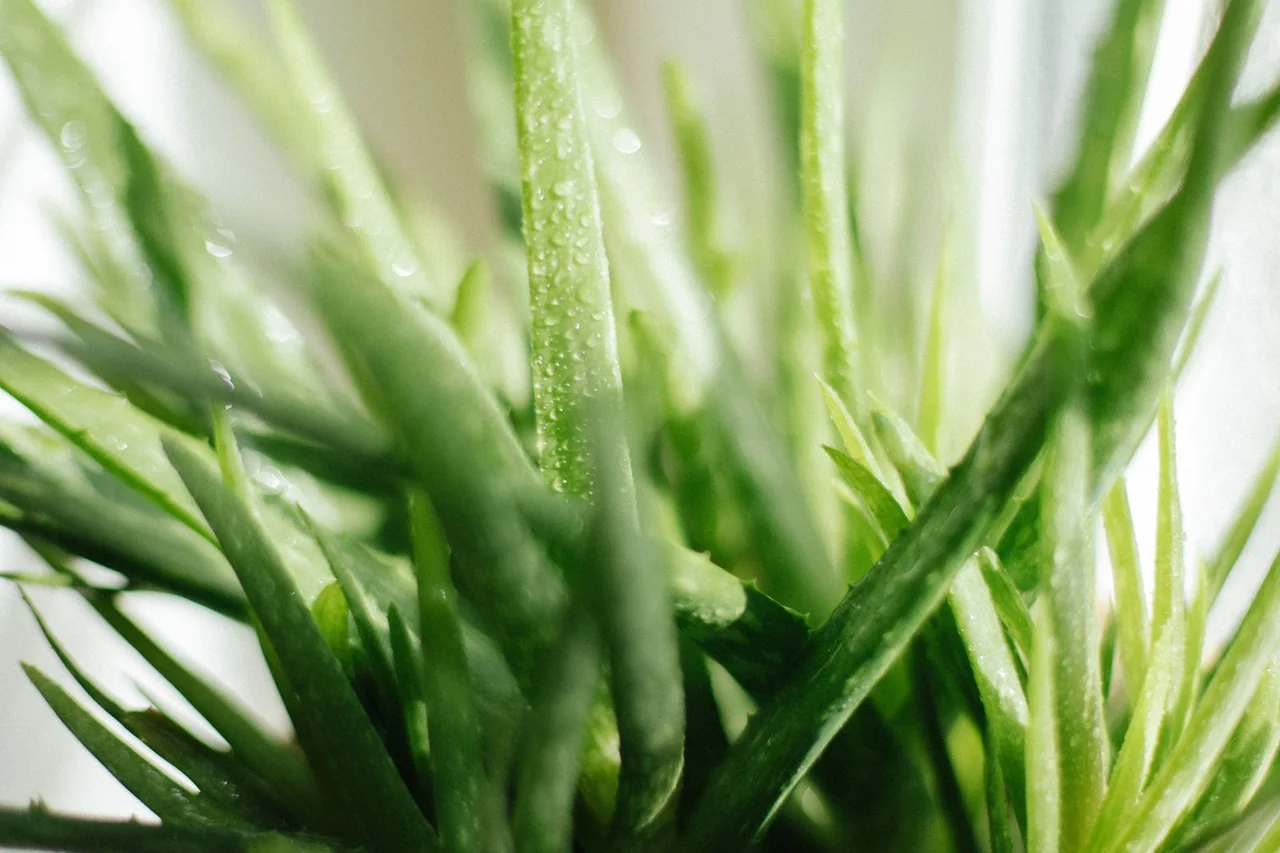
Aloe gel is mostly water, held in a gel full of natural sugars. On skin, it helps hold moisture in and has a cooling, soothing feel.
That’s the key difference from an oil. An oil seals the surface and sits there. Aloe hydrates and absorbs. On fine or thinning hair, where any weight at the root flattens everything, that distinction matters a great deal. It’s why aloe vera for scalp care suits fine hair so well.
Aloe Vera for Scalp Dryness and Itch
A scalp that feels tight after washing, or itches without obvious flakes, is often simply dry. Menopause can make that worse, as hormonal changes shift how much oil the scalp produces — I explain that in perimenopause hair changes .
A little aloe along the partings can bring real comfort. It pairs well with other calming plants, especially liquorice root , which soothes irritation from a different angle.
What It Won’t Do
Aloe soothes and hydrates the scalp. It doesn’t regrow hair, block hormones or treat a skin condition. The NCCIH page on aloe vera is clear about how limited the evidence is for most of the claims made for it.
And if your itch comes with greasy yellow scales, redness or sore patches, that’s more likely seborrhoeic dermatitis or another condition, and it needs proper treatment. Flaking is often linked to the scalp’s natural balance — I go into that in the scalp microbiome . The British Association of Dermatologists has patient leaflets on the common scalp conditions.
A Word of Caution
Aloe is gentle for most people, but not for everyone — some people react to it, particularly if they’re sensitive to related plants. Patch test on a small area first.
Gel straight from the leaf is fine to try, but it doesn’t keep, and the yellow sap just under the skin of the leaf can irritate. A stabilised gel or a product containing aloe is easier and more reliable.
How to Use Aloe Vera for Scalp Care
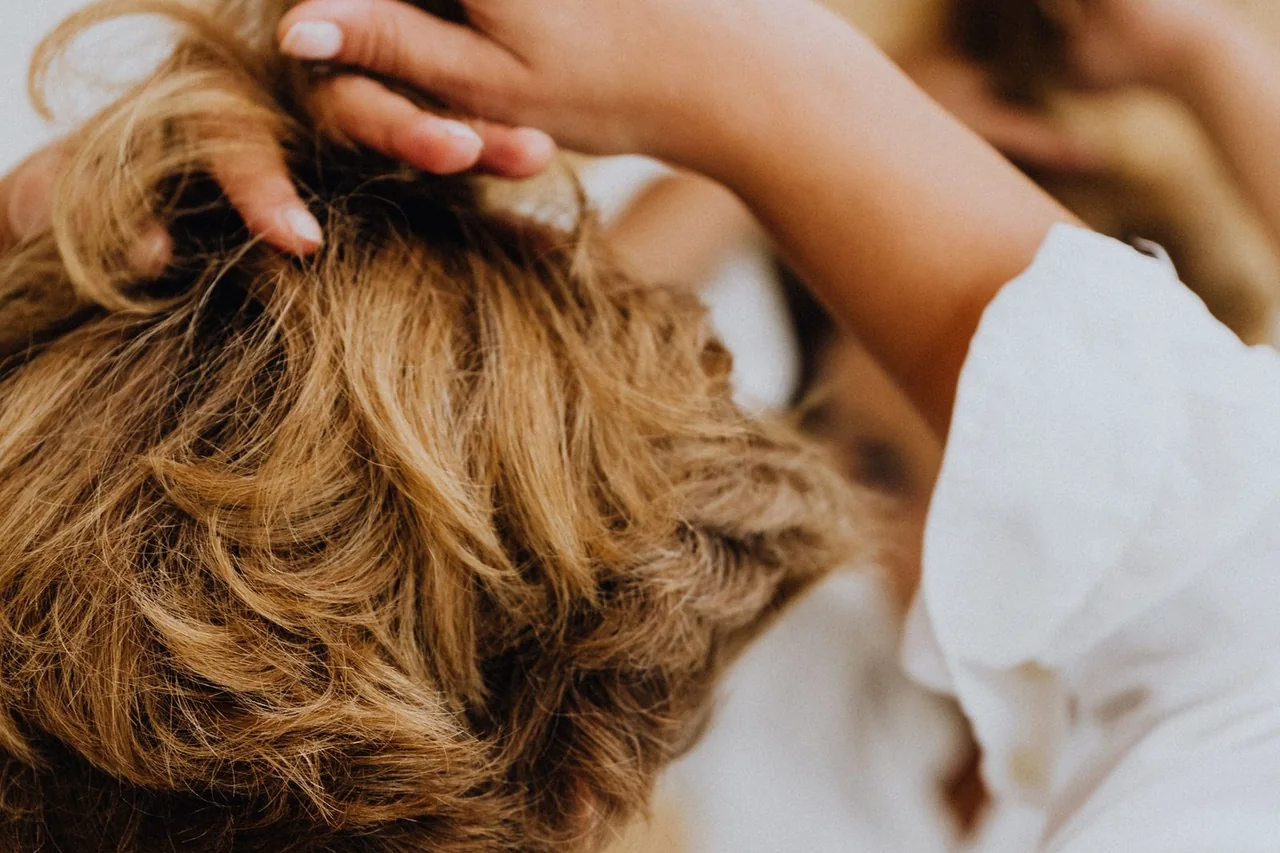
- part the hair and apply a small amount along the partings, so it reaches skin, not just hair
- massage it in with your fingertips
- use it on a dry or damp scalp — after washing is ideal
- keep it light at the roots; more isn’t better
If your scalp feels tight every time you wash, look at the washing too. A gentler routine often helps more than any product — see how often to wash hair .
Why I Like It
I like ingredients that do one job well without causing a new problem. Aloe hydrates without grease, which is exactly the problem most scalp products fail on. Light, comfortable, silicone-free hydration is what I wanted for Nunu Moor, the botanical scalp and hair tonic I’ve been making, alongside the plants I’ve written about in natural DHT blockers . Join the Nunu Moor waitlist to hear when it’s out.
Aloe vera for scalp care won’t transform your hair. It’ll make your scalp more comfortable — and a comfortable scalp is where good hair starts.
Frequently Asked Questions
Is aloe vera for scalp care any good?
Yes, as a gentle hydrator. It helps the skin hold moisture and soothes dryness and itching without the weight of an oil.
Does aloe vera help hair grow?
Not directly. It supports scalp comfort and hydration but doesn’t regrow hair or affect hormonal thinning.
Can aloe vera help an itchy scalp?
It can ease dryness-related itch. Persistent itching with scales, redness or soreness should be checked by a GP.
Can I use aloe straight from the plant?
You can, but fresh gel doesn’t keep, and the yellow sap under the leaf skin can irritate. A stabilised gel or formulated product is more reliable.
Can you be allergic to aloe vera?
Some people react to it. Patch test on a small area before using it on your scalp.